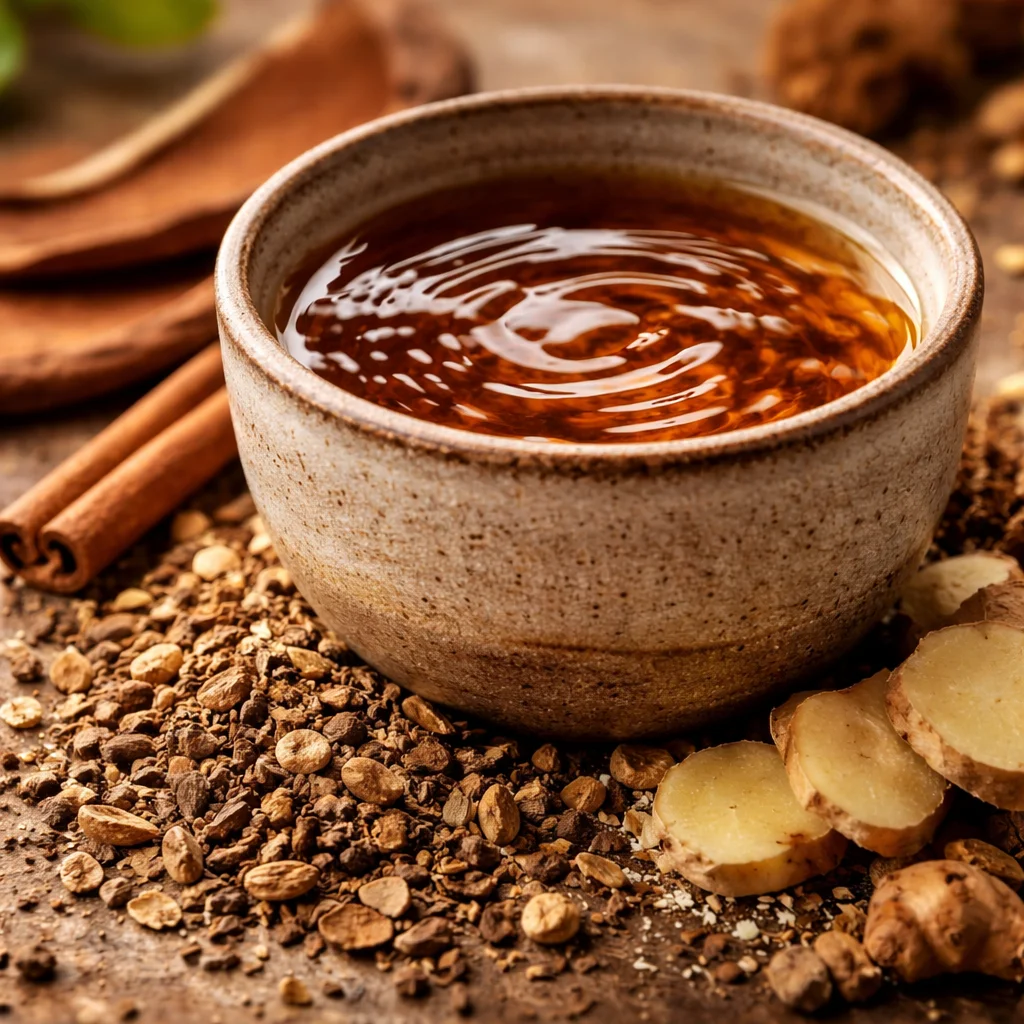
reishi mushroom tea is my little reset button on days when my brain feels like 27 tabs are open and at least one is playing music. If you have ever wanted something warm and comforting but you do not want a sugary drink or another cup of coffee, this is for you. I started making it during a rough, busy season when my sleep felt choppy and my evenings felt rushed. The flavor surprised me in a good way, kind of earthy and calm, and the routine of brewing it slowed me down. In this post I will walk you through what I buy, how I brew it, and how I make it taste cozy without turning it into dessert.

About this item
Let’s talk basics, because shopping for herbs can feel weirdly confusing. When I say reishi mushroom tea, I mean a tea made with reishi, also called Ganoderma lucidum, usually in dried slices, powder, or tea bags mixed with other herbs. Reishi is not a “cute little mushroom” flavor like you get in a creamy soup. It is more earthy and slightly bitter, which is why I like pairing it with warming spices and a touch of natural sweetness.
Here is what I personally look for on the label so I know I’m getting something legit and easy to use at home:
- Clear ingredient list with reishi listed upfront, not hidden at the bottom
- Form that fits your life: tea bags for convenience, dried pieces for longer simmering, or powder for quick mixing
- Flavor helpers like cinnamon, ginger, or orange peel if you want it gentler
- Brewing directions that actually tell you time and water amount
- Allergen info and a brand that feels transparent
If you are curious about other cozy sips for your rotation, I also keep this one bookmarked for colder months: autumn herbal tea herbal tea recipe. It’s a totally different vibe, but the same comforting energy.
Now for my at home method. If you have tea bags, you can steep like normal. If you have dried reishi slices or chunks, I recommend a gentle simmer. Reishi can be tough, so simmering helps pull more out of it than a quick steep. I usually do 10 to 20 minutes depending on how intense I want it.
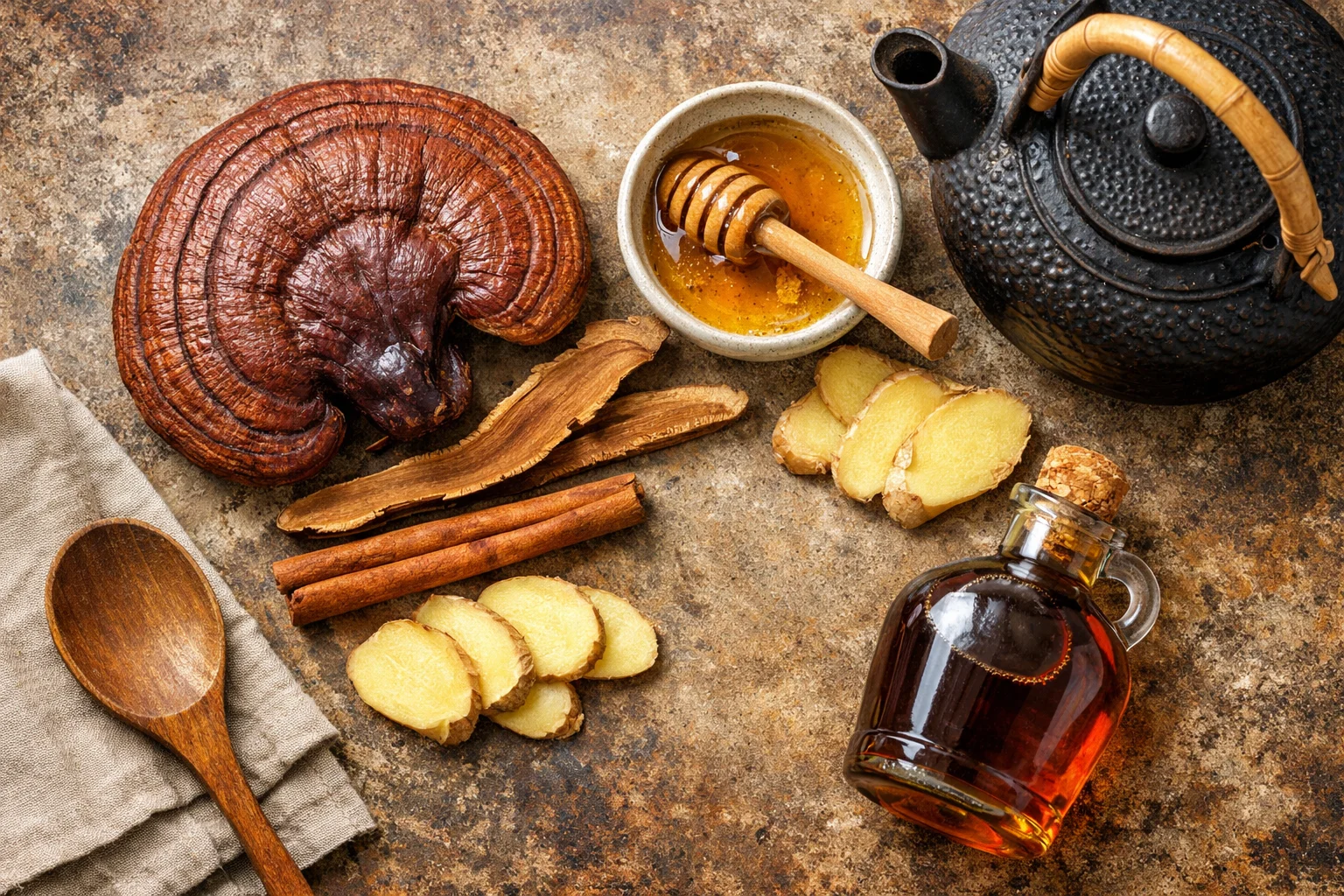
My “make it taste cozy” add-ins are simple: a cinnamon stick, a slice of fresh ginger, and a tiny drizzle of honey after it cools a bit. If you are avoiding honey, maple syrup works too.
;
Herbalist Formulated Blend
This is the part where people usually ask, “Do I need a fancy blend?” You do not need one, but a good blend can make reishi mushroom tea way easier to enjoy, especially if you are new to earthy flavors. When a blend is “herbalist formulated,” it usually means someone intentionally paired herbs for taste and traditional use, not just tossed ingredients together to sound trendy.
A blend I personally trust will balance three things:
1) Taste: Reishi can lean bitter. Cinnamon, cacao husk, orange peel, licorice root, and ginger can soften that edge.
2) Comfort factor: I like blends that feel relaxing at night, especially ones with calming herbs like tulsi or chamomile. Just double check what is in there if you have sensitivities.
3) Practicality: Tea bags matter. When I’m tired, I want to drop a bag in a mug and be done.
If you love playing with functional drinks, you might also like this wellness combo for mornings: boost your wellness ginger turmeric immunity tea. It’s brighter and spicier, while reishi is more grounding.
One quick safety note, friend to friend: if you are pregnant, nursing, taking blood thinners, or managing a medical condition, check with your healthcare professional before making reishi a daily habit. Herbal tea seems harmless until it is not, and it is always better to be safe.
USDA Organic
I used to ignore the organic label and just buy whatever was on sale. Then I got more serious about my pantry and realized tea is basically “hot water + whatever was on that plant,” which makes quality matter. When you see USDA Organic on reishi mushroom tea, it generally means the ingredients were grown and processed under organic standards, with limits on certain pesticides and synthetic additives.
Is organic always perfect? No. But it is a solid filter when you do not want to overthink every brand. It is also a nice sign that a company is willing to go through a verification process.
My personal shopping checklist when I’m standing there staring at boxes:
- USDA Organic seal if possible
- Country of origin listed clearly
- No “proprietary blend” mystery if I’m trying it for the first time
- Freshness: check the best by date, because old tea tastes flat
Also, if you want to understand reishi mushroom tea more deeply, I wrote about it in a more focused way here: sip savor soothing benefits reishi mushroom tea. It’s helpful when you want the bigger picture, not just the mug in your hands.
Sustainability features
This part matters to me, because I do not want my “wellness routine” to quietly create a bunch of waste. Sustainability can feel like a huge topic, so I keep it simple and focus on a few realistic features.
Here is what I look for when buying reishi mushroom tea or any herbal tea:
Packaging: cardboard boxes and paper tea sleeves are usually easier to recycle than glossy plastic.
Tea bags: some are plastic based and do not break down well. If a brand says compostable tea bags, I pay attention.
Sourcing: companies that share where their mushrooms come from and how they are cultivated feel more trustworthy to me.
Bulk options: if you drink it often, buying larger quantities can cut down packaging over time.
At home, my “low waste” habit is straining simmered reishi slices and composting what I can. If I’m using tea bags, I cut them open, compost the herbs if they are compostable, and toss the staple and string if needed. Not perfect, but better than pretending it does not matter.
And since we’re chatting sustainable habits, cold brewing in sunlight can be a fun low energy trick when it is hot out. This recipe is so refreshing: blackberry lavender iced sun tea.
Customer reviews
I read reviews, but I do it like a detective, not like I’m looking for hype. With reishi mushroom tea, reviews can be all over the place because people expect different things. Some want a sweet, flavored tea. Others want a bold earthy brew that feels medicinal. Neither is wrong, but you need to know what camp you are in.
Here is how I sort reviews quickly:
Look for comments on taste: words like bitter, smooth, earthy, chocolatey, cinnamon, or “tastes like mushrooms” tell you what you are in for.
Check consistency: if multiple people mention weak flavor or broken tea bags, I take that seriously.
Notice the routine: some reviewers say they love it at night, others in the afternoon. That helps you plan how you might use it.
“I didn’t expect to like an earthy tea this much, but the cinnamon and reishi combo grew on me fast. It’s now my nightly cup when I want something calming and warm.”
One more thing. Reviews should never replace medical advice. But they can help you avoid wasting money on something that is just not your taste.
Common Questions
Does reishi mushroom tea taste good?
It can, especially if it is blended with spices or citrus. Plain reishi is earthy and slightly bitter. I like adding ginger and cinnamon to make it feel cozy.
When should I drink it?
I usually drink reishi mushroom tea in the evening after dinner. It feels like a gentle wind down drink. If it makes you feel too relaxed, keep it as a nighttime thing.
Can I drink it every day?
Many people do, but I think it is smart to start slow, like a few times a week, and see how your body feels. If you have health conditions or take medications, check with a professional first.
Do I steep or simmer?
Tea bags can be steeped. Dried slices or chunks are better simmered for 10 to 20 minutes, because they are tougher and need more time.
How do I sweeten it without overdoing it?
Try a teaspoon of honey or maple syrup, or add naturally sweet herbs like licorice root in a blend. I keep it lightly sweet so the earthy flavor still comes through.
One last cozy sip before you go
If you have been craving a simple routine that feels grounding, reishi mushroom tea is an easy place to start. Focus on a solid blend, look for USDA Organic when you can, and pay attention to sustainability so your pantry habits match your values. Read customer reviews for taste clues, then tweak your mug with cinnamon, ginger, or a little honey until it feels like yours. If you want a reliable option to try first, this Traditional Medicinals, Organic Reishi Mushroom Tea, 16 Count is a straightforward pick that fits nicely into a weeknight routine. Brew a cup tonight, take a breath, and let the warm mug do its thing.