INTRODUCTION
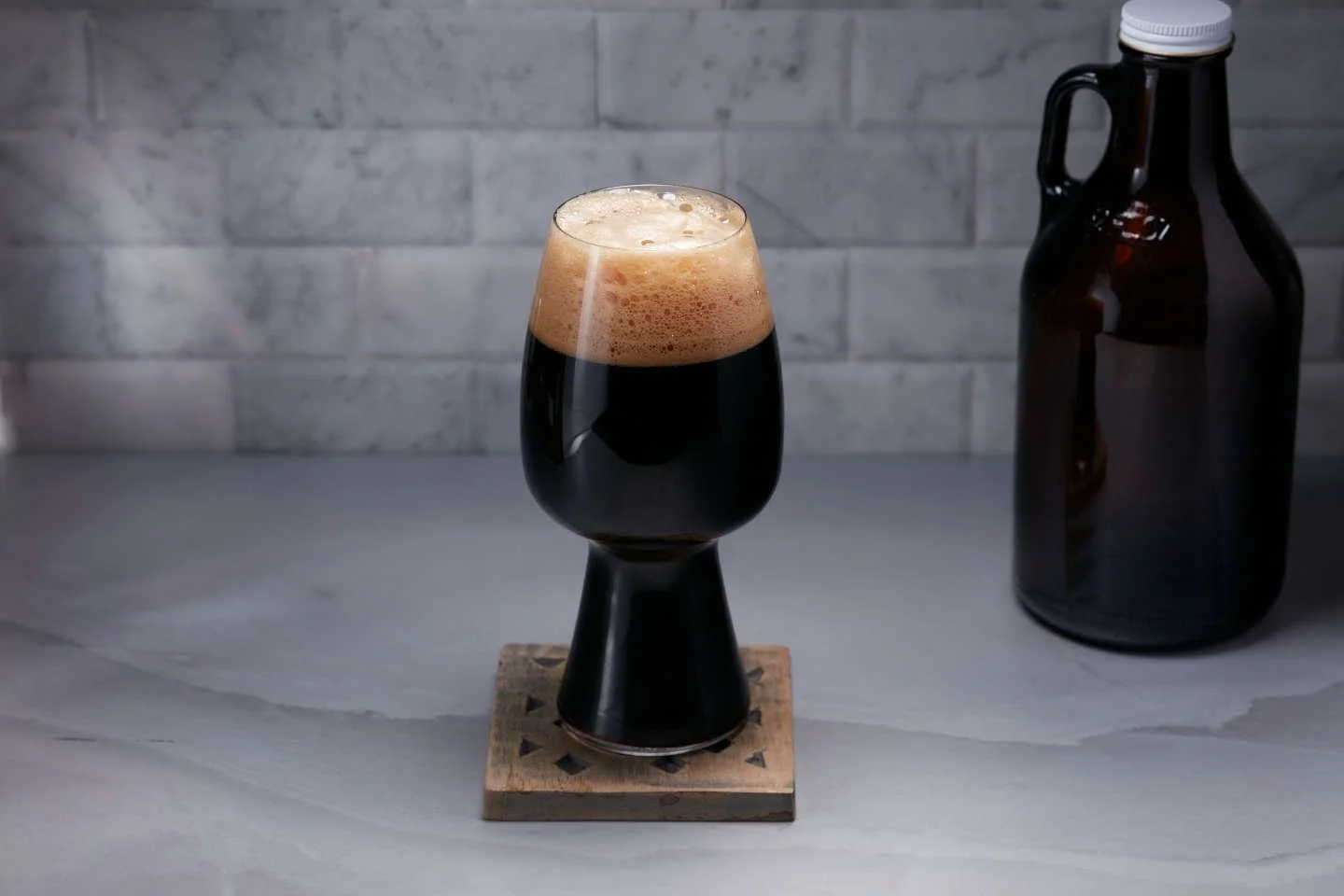
If you’re a fan of rich and flavorful stouts, the Slow Life Nitro Stout is a delightful addition to your brewing repertoire. This slow-brewed stout, infused with nitrogen, offers a creamy texture and deep flavors that will elevate your drinking experience. Moreover, brewing your own nitrogen-infused stout at home not only saves you money but also allows you to experiment and fine-tune flavors to perfectly match your preferences. This recipe not only satisfies your taste buds but can also be part of a balanced lifestyle.
WHY YOU WILL LOVE THIS RECIPE
This Slow Life Nitro Stout is fantastic because it provides a healthy version of everyone’s favorite creamy stout. With smart ingredient choices like Maris Otter and Flaked Barley, it can be lower in calories compared to traditional stouts. It’s also a great option for those looking for a drink with more protein. This stout is exhilarating yet soothing, making it perfect for gatherings or relaxing evenings at home. So whether you’re a seasoned brewer or a beginner, you’ll love how rewarding and practical this recipe is.
HOW TO MAKE Slow Life Nitro Stout
EQUIPMENT NEEDED
Before diving into the brewing process, here’s a list of equipment you’ll need:
- Brew kettle
- Thermometer
- Fermentation vessel
- Kegging equipment
- Nitrogen tank and regulator
- Carbonation lid
- Creamer nozzle
Ingredients You’ll Need:
- 5.6 lb. (65%) Maris Otter
- 1.3 lb. (15%) Flaked Barley
- 11 oz. (8%) Carafa Special II
- 9.5 oz. (7%) Brown Malt
- 7 oz. (5%) Amber Malt
- 0.75 oz. Hallertau Magnum, 14.5% a.a. @60 min
- White Labs WLP007 Dry English Ale Yeast or Fermentis SafAle S-04
- Antifoam agent, optional @ hot break
- Kettle finings, optional @ 10 min
- Yeast nutrient @ 10 min
STEP-BY-STEP INSTRUCTIONS:
-
Mash: Start by mashing your grains at a temperature of 154°F (68°C) for 60 minutes. This step is crucial for extracting sugars and flavors from the grains that will contribute to the stout’s richness.
-
Hot Break: When your boil is rolling, add a natural antifoam or minimal hops for the hot break to reduce excess foam.
-
Boil: Boil the mixture for 80 minutes, making sure to add the hops, kettle finings, and yeast nutrient as indicated in the ingredients list.
-
Cool Down: Allow the mixture to cool to the pitching temperature of 66°F (19°C). This is an important step for the yeast to thrive.
-
Pitch Yeast: Once cooled, pitch the yeast into the fermentation vessel at a rate of 8 million cells/ml/°P.
-
Fermentation: Ferment the stout at 66°F for about seven days. This slow fermentation process enhances the flavors and can contribute to a smoother mouthfeel.
-
Check for Diacetyl: Test your brew for diacetyl (a buttery flavor produced by yeast) and cold crash with finings if possible to clear the brew.
-
Kegging: For nitrogenation, keg your beer and build the carbonation level to 2 volumes (4 g/L) of CO2.
-
Add Nitrogen: Push nitrogen through the carbonation lid on a Corny keg. Bring the keg to a pressure of 2 bar (32 psi) or as high as 3 bar (44 psi) if possible.
-
Pour: Finally, pour your Nitro Stout at a top pressure of 38 psi (6 bar) through a creamer nozzle to enjoy that perfect silky texture.
![image_2]
HOW TO SERVE Slow Life Nitro Stout
Serving your Slow Life Nitro Stout can be an art. It’s best enjoyed on its own in a pint glass, or it can be paired with balanced snacks. Snacks rich in fiber, such as whole grain crackers or a light cheese platter, can complement the stout’s rich flavors. For portion control, serve in smaller glasses, allowing everyone to enjoy the stout without overindulging.
STORAGE & FREEZING: Slow Life Nitro Stout
Proper storage is essential to enjoy your homemade stout longer. Store the kegged stout in a cool place, ideally at around 45°F (7°C). This temperature helps maintain the beer’s creamy texture and quality. Unfortunately, freezing is not recommended, as it can alter the stout’s flavors and mouthfeel.
SERVING SUGGESTIONS
When serving your Slow Life Nitro Stout, think of balanced side options like roasted veggies or a light salad with a yogurt-based dressing. This approach creates a wonderful meal that incorporates a healthy mindset while still enjoying a delicious stout.
VARIATIONS
Healthier Version
To make a healthier version, consider using lower-carb specialty grains and adding additional fiber-rich options. Reducing the malt content can also lower the calorie count, allowing for a lighter option.
High-Protein or Low-Carb Version
Integrating protein-rich ingredients like skinless chicken or legumes alongside this stout can create a well-rounded meal. Look for low-carb snacks, such as nuts or cheese, to pair with the stout for a delicious and filling option.
Air Fryer Version
If you want to amp up your brewing skills while also enjoying a light meal, consider air-fried snacks besides your Nitro Stout. Roasted chickpeas or seasoned sweet potato fries could make delightful accompaniments that are also heart-healthy.
FAQs
Can I make this stout gluten-free?
Using gluten-free malts like sorghum, brown rice, or millet may help create a gluten-free version of this stout. However, switching grains will alter the flavor profile.
How do I store my Nitro Stout once it is kegged?
Your kegged Nitro Stout should be stored upright in a cool area at approximately 45°F (7°C) to maintain the beer’s quality.
Can I use this recipe for weight loss?
Yes! This Slow Life Nitro Stout is a fantastic lighter option than many traditional stouts. Its recipe can be adapted to reduce calories and carbohydrates further for a more weight-loss-friendly brew.
How long can I keep this stout before it goes bad?
When stored properly in a keg, your Nitro Stout can last up to 3 months without losing its flavor or quality.
![image_1]
MAKE-AHEAD TIPS FOR Slow Life Nitro Stout
Brewing your Slow Life Nitro Stout can be time-consuming, but it is very rewarding. Plan your brew day by preparing your ingredients ahead of time. Pre-measure your grains and hops the night before to streamline the brewing process. If you want to enjoy this stout sooner, consider brewing multiple batches, allowing you to have a supply ready for weeks. This also makes it a great option for meal prep!
PrintSlow Life Nitro Stout

A rich and creamy nitrogen-infused stout that you can brew at home, perfect for gatherings or relaxing evenings.
- Prep Time: 30 minutes
- Cook Time: 80 minutes
- Total Time: 110 minutes
- Yield: 4 servings 1x
- Category: Beverage
- Method: Brewing
- Cuisine: N/A
- Diet: N/A
Ingredients
- 5.6 lb. Maris Otter
- 1.3 lb. Flaked Barley
- 11 oz. Carafa Special II
- 9.5 oz. Brown Malt
- 7 oz. Amber Malt
- 0.75 oz. Hallertau Magnum @60 min
- White Labs WLP007 Dry English Ale Yeast or Fermentis SafAle S-04
- Antifoam agent, optional @ hot break
- Kettle finings, optional @ 10 min
- Yeast nutrient @ 10 min
Instructions
- Mash: Start by mashing your grains at a temperature of 154°F (68°C) for 60 minutes.
- Hot: When your boil is rolling, add a natural antifoam or minimal hops for the hot break.
- Boil: Boil the mixture for 80 minutes, adding the hops, kettle finings, and yeast nutrient.
- Cool: Allow the mixture to cool to the pitching temperature of 66°F (19°C).
- Pitch: Once cooled, pitch the yeast into the fermentation vessel.
- Ferment: Ferment the stout at 66°F for about seven days.
- Check: Test your brew for diacetyl and cold crash with finings if possible.
- Kegging: For nitrogenation, keg your beer and build the carbonation level to 2 volumes of CO2.
- Add: Push nitrogen through the carbonation lid on a Corny keg.
- Pour: Finally, pour your Nitro Stout at a top pressure of 38 psi through a creamer nozzle.
Notes
Serve in smaller glasses for portion control and pair with fiber-rich snacks like whole grain crackers.
Nutrition
- Serving Size: 1 serving
- Calories: 250
- Sugar: 0g
- Sodium: 15mg
- Fat: 2g
- Saturated Fat: 0g
- Unsaturated Fat: 1g
- Trans Fat: 0g
- Carbohydrates: 45g
- Fiber: 4g
- Protein: 8g
- Cholesterol: 0mg
Keywords: nitro stout, brewing, beer, cream stout, homemade beer